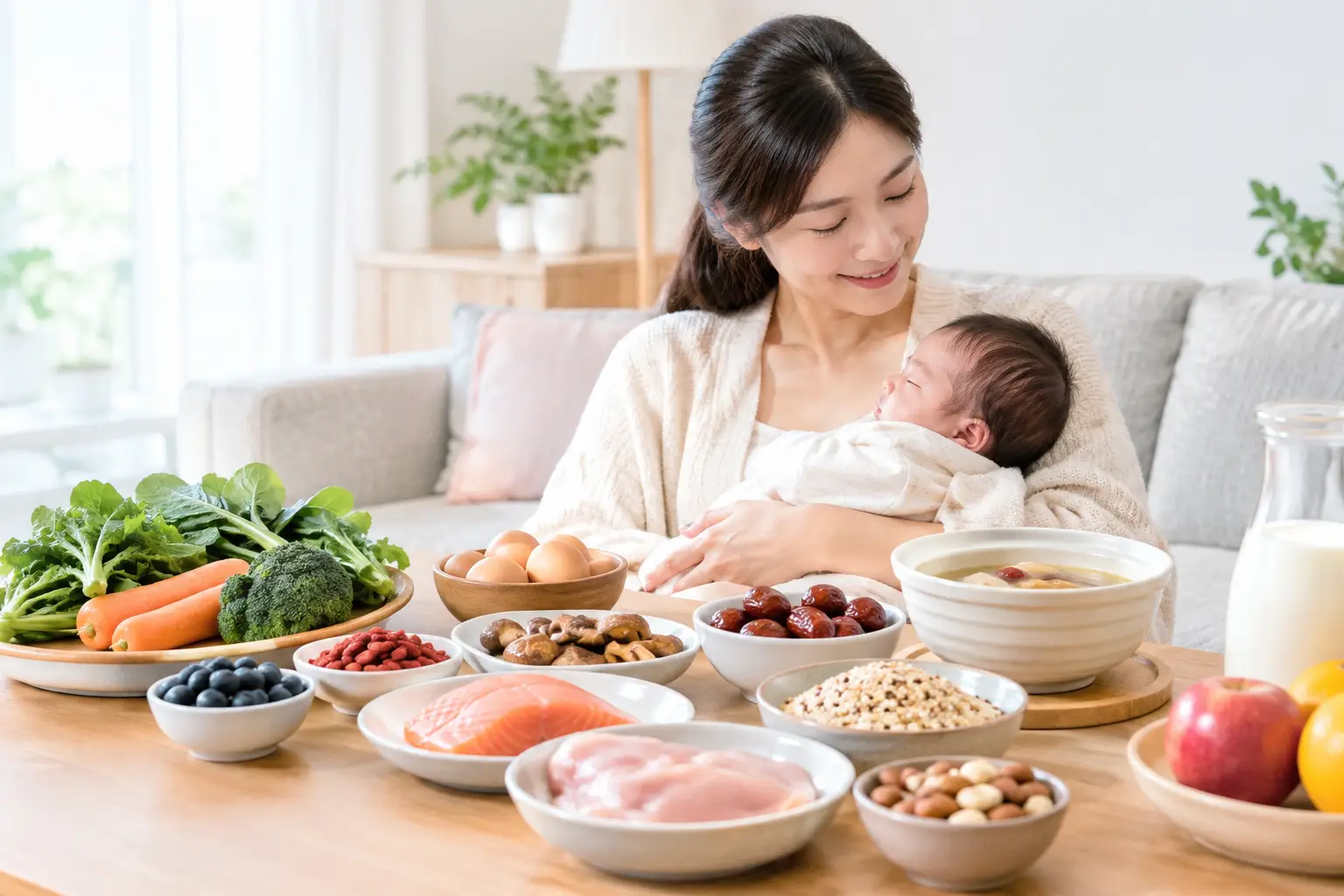
Immediately after childbirth, what mothers truly need is not a large pot of rich, nourishing soup, but a meal that they can easily eat, digest, and that their bodies can utilize. This list of essential postpartum recovery ingredients is not meant to encourage new mothers to chase after expensive supplements every day, but rather to help family members grasp the most practical food directions during the recovery period: replenishing what was lost during childbirth, supporting wound healing, taking care of the digestive system, and laying a solid foundation for strength during breastfeeding.
There is no one-size-fits-all answer when it comes to postpartum diet. The recovery speed differs between vaginal delivery and cesarean section. Factors such as blood loss, appetite, bowel movements, whether breastfeeding is performed, and individual constitution all influence the appropriate choices. Traditional postpartum care emphasizes phased conditioning and replenishment, focusing on first allowing the body to expel toxins, then assisting in repair, and finally nourishing the body gradually, rather than starting with excessive supplementation.
A list of essential postpartum recovery foods, starting with protein.
Protein is an essential part of postpartum nutrition. It participates in tissue repair and helps mothers maintain their strength and sense of fullness. For mothers who have had a cesarean section, it is even more important to ensure a stable but not excessive intake of high-quality protein in each meal during the wound recovery period.
Suitable choices for daily rotation include skinless chicken, lean pork, beef, fish, eggs, tofu, and beans. Family members can cook dishes such as steamed fish with ginger, steamed eggs with minced meat, lean meat soup, or chicken porridge, depending on the mother's appetite that day. When the mother has a poor appetite immediately after giving birth, instead of forcing herself to eat a large piece of meat, it is better to cut the meat into small pieces, cook it until soft, and divide it into small, frequent meals to gradually replenish her appetite.
Fish contains protein and fatty acids, making it a common ingredient in many households. However, it's important to pay attention to the source and type of fish to avoid long-term consumption of high-mercury fish. If the mother is sensitive to seafood, prone to gastrointestinal discomfort, or worried about the baby's reaction when starting breastfeeding, she can first choose a type of fish that she is familiar with and feels comfortable eating, and then observe and adjust accordingly.
Iron-rich foods help the body gradually regain its energy.
Childbirth involves blood loss, and postpartum fatigue, pale complexion, palpitations, or dizziness are not necessarily just due to lack of sleep; they could also be related to iron deficiency. Incorporating ingredients such as beef, lean pork, egg yolks, dark green vegetables, black beans, and wood ear mushrooms into your diet, along with vitamin C-rich fruits and vegetables like bell peppers, kiwis, or oranges, can help with iron absorption.
However, if postpartum bleeding is heavy, or if symptoms such as persistent dizziness, shortness of breath, rapid heartbeat, or extreme fatigue occur, dietary supplements alone are not sufficient. Mothers need to have blood tests and take iron supplements as advised by medical professionals. Food provides long-term support, but it is not a substitute for diagnosis and treatment.
Traditional families often use red dates, longan, and brown sugar water to express their good wishes for "replenishing blood." These ingredients can be added to soups in small amounts for flavoring, but they should not be considered the main source of iron. They are high in sugar, so mothers with a history of gestational diabetes, those who need to control their blood sugar, or those who are prone to dry mouth and constipation after childbirth should control their intake even more.
Calcium, healthy fats, and fiber are also essential and should not be overlooked.
Breastfeeding mothers need to take care of their bone nutrition and also need enough calories to cope with frequent breastfeeding. Milk, unsweetened soy milk, cheese, sesame seeds, tofu, and small fish that can be eaten with bones are all good sources of calcium. If a mother is lactose intolerant, she doesn't necessarily have to force herself to drink milk. She can start with calcium-fortified soy milk, soy products, and other foods. If necessary, she can consult a professional.
Good fats can increase the energy and satiety of meals. Avocados, walnuts, sesame seeds, olive oil, and deep-sea fish can be included in moderation, but "good fats" does not mean the more the better. Postpartum digestive systems are not yet fully stable, and too much oily pork trotters, fried foods, or thick soup bases may cause bloating, nausea, or even affect appetite.
Fiber is an aspect that many new mothers easily overlook. Decreased activity levels, fear of straining during bowel movements, iron supplements, and insufficient water intake can all contribute to constipation. Vegetables such as bok choy, spinach, broccoli, pumpkin, carrots, oats, brown rice, and fruits can be gradually added to the diet. When bloating first occurs, choose soft, cooked vegetables and warm porridge; avoid consuming large amounts of raw, cold salads or high-fiber grains all at once.
Soup should be mild; the more concentrated it is, the more nourishing it is.
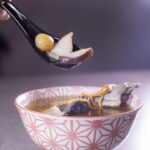
For Hong Kong families, soup is a source of reassurance during postpartum care. However, in the early postpartum period, soups should be gentle, easily digestible, and tailored to the individual's condition. Lean meat with carrots, chicken with yam, and fish soup with ginger are generally milder than using large amounts of herbs, alcohol, or oil from the beginning.
For mothers who have had a cesarean section, early gas relief and wound healing are priorities. Drinking strong tonics, sesame oil wine, or large amounts of ginger and vinegar too early may not be suitable for everyone. Whether to add ginger, wine, or medicinal herbs, and when to start supplementing, needs to be adjusted based on the wound, lochia, dry mouth and fever, gastrointestinal condition, and medical advice. If you are taking medication, have high blood pressure, thyroid, or kidney problems, you should first confirm whether the ingredients and herbs are suitable.
A phased approach is more practical than stockpiling a bunch of supplements.
In the first few days postpartum, focus on warm, soft, hydrated, and easily digestible meals, such as lean meat porridge, steamed eggs, ginger and fish slices, soft rice, and cooked vegetables. Once bowel movements, appetite, and energy levels have gradually stabilized, you can gradually add meat, fish, beans, and iron-rich foods to provide your body with the necessary building blocks for repair.
Once the recovery period is more stable, you can add more nourishing soups, black beans, sesame seeds, walnuts, or traditional herbal soup packets according to the mother's condition. Breastfeeding mothers don't need to force themselves to drink large amounts of soup or water in an attempt to "boost milk supply." Milk production is related to the frequency of effective sucking or expression by the baby, total calories, rest, water intake, and psychological stress; drinking too much fluids or eating too much won't necessarily result in a better milk supply.
When purchasing and preparing meals, safety is more important than fancy techniques.
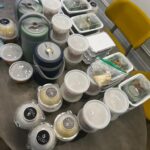
Canada has long winters and a fast-paced lifestyle, so many families prepare meals in advance, which is a very practical arrangement. Meat and fish should be thoroughly cooked, and cooked food should not be left at room temperature for too long. Soups and dishes should be refrigerated as soon as they cool down, and reheated thoroughly when needed. If the family is cooking enough for several days at once, it is recommended to divide the food into portions and store them in containers to reduce repeated reheating.
When choosing ingredients, instead of pursuing rare and expensive "supplements," prioritize fresh, clearly sourced, and easily sustainable foods. Hormone-free meats, cooking methods with less oil, salt, and sugar, and rotating different proteins and vegetables daily often better meet the body's true needs after childbirth. For families lacking support from elders, consistently having several fresh and suitable postpartum meals a day is more helpful than occasionally indulging in large supplements.
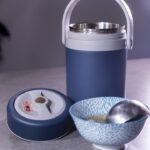
MoonyMama Soup provides daily fresh meals for postpartum mothers based on vaginal delivery, cesarean section, and different recovery stages. It uses hormone-free meat and insists on low oil, low salt, low sugar, and no MSG, so that families can stay at home with peace of mind and nourish themselves during busy postpartum days.
Postpartum recovery doesn't need to be compared to others' progress. Being able to finish a bowl of soup, eat a hot meal, and rest well today is already a step forward for the body. Let food be a gentle and stable support, so that postpartum mothers have the strength to slowly return to their own rhythm.
#MoonyMamaSoup #PostpartumRecovery #ConfinementMeals #PostpartumDiet #EssentialNutritionalIngredientsListForPostpartumRecovery #HongKongStyleConfinement #CesareanSectionRecovery #VaginalBirthRecovery #BreastfeedingNutrition #TorontoConfinementMeals #WanjinConfinementMeals #RichmondHillConfinementMeals #ScarboroughConfinementMeals #NorthYorkConfinementMeals #VaughanConfinementMeals