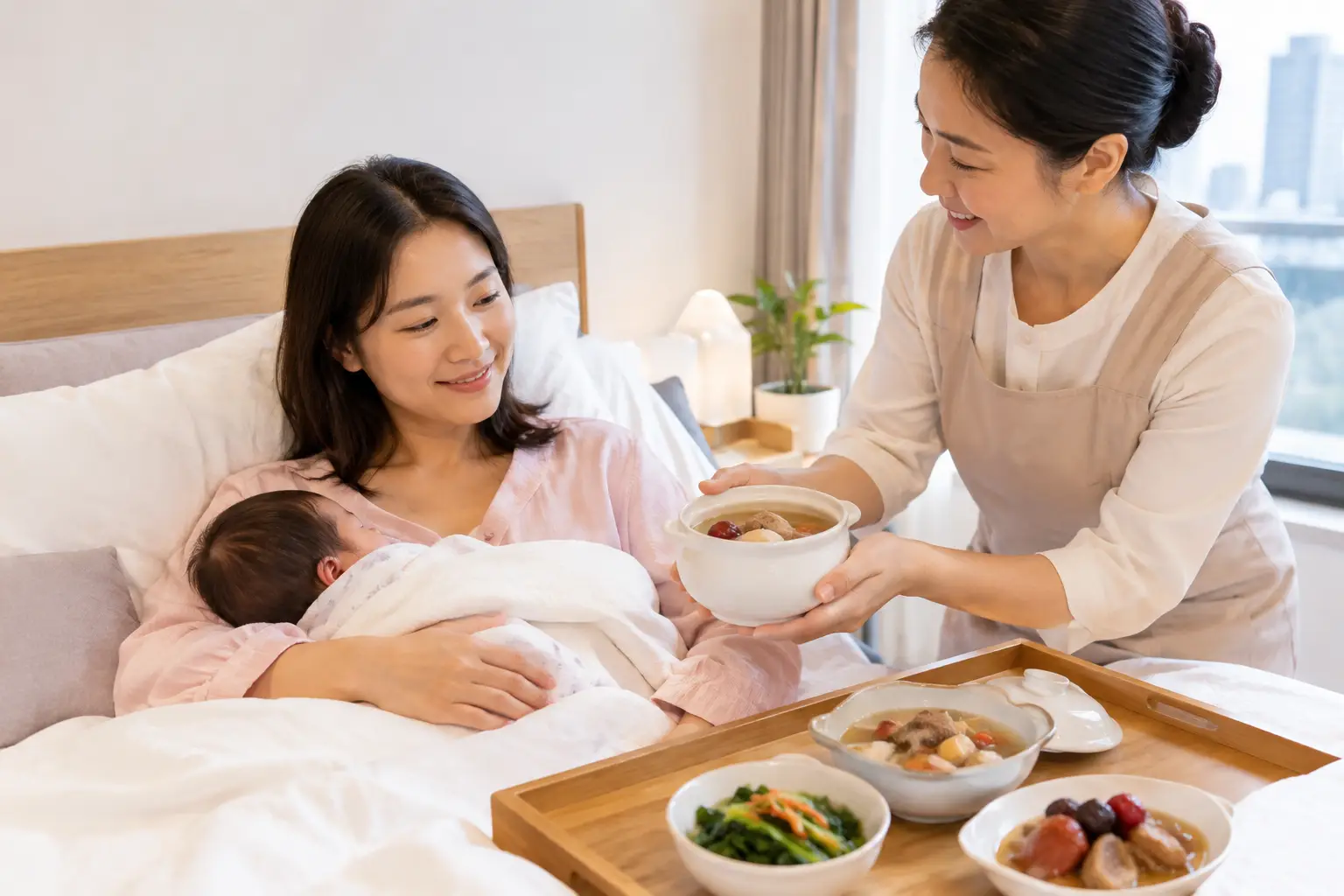
The first soup after a C-section isn't necessarily the thicker and more nourishing it is. For new mothers, the abdominal wound, post-anesthesia digestive issues, fatigue from blood loss, and lack of sleep from caring for a newborn can all disrupt the body's ability to absorb nourishing foods. This comprehensive guide to choosing C-section soups aims to help you and your family transform your desire for nourishment into more suitable and reassuring daily care.
The key to postpartum recovery after a cesarean section is not to rely on a single, heavy tonic soup for the entire postpartum period. Instead, it's about gradually transitioning from light, easily digestible soups to richer, more nourishing stews that support lactation and recovery, based on the patient's digestive system's progress, bowel movements, appetite, wound condition, and medical instructions. If you have gestational diabetes, anemia, thyroid problems, food allergies, or are currently taking medication, you should consult your doctor or a registered Chinese medicine practitioner before prescribing any herbal soups.
Why mothers who have had a C-section shouldn't start taking excessive supplements right from the beginning.
In the initial postoperative period, the digestive system is still recovering, and the body needs time to expel gas and adjust to food. At this time, soups that are too oily, strong, or contain large amounts of alcohol, sesame oil, or warming herbs may not be easy to digest and may cause bloating, dry mouth, and decreased appetite in the mother. If she rushes to take tonics before expelling gas, it will only increase discomfort and make recovery more difficult.
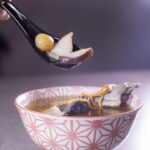
Ideally, meals should begin with light, warm soups that are rich in protein, such as lean meat, fish, or chicken, paired with vegetables or mild foods. Soup is not a meal replacement, but rather a supplement to replenish fluids, nutrients, and appetite. Mothers who have undergone cesarean sections especially need sufficient protein, iron, vitamins, and overall calories to provide the essential building blocks for wound healing .
Wan Jin's Guide to Choosing a Postpartum Soup After a Cesarean Section: Arranged According to Three Recovery Stages
Phase 1: From the time the air is expelled until the wound is initially stabilized.
Once medical staff confirm that the mother can eat and she has passed gas, the soup should be light, low in oil, and easy to drink. Consider using skinless chicken, lean meat, fish, or eggs as protein sources, along with common ingredients such as winter melon, carrots, corn, and yam. The simmering time should be sufficient, but a heavy, oily consistency is unnecessary; some surface oil can be skimmed off to make it more palatable for the mother.
The most important question at this stage is not "Should I take supplements?", but rather "Will I experience bloating, thirst, nausea, or loss of appetite after drinking this?" Every mother reacts differently to food after surgery. If there is significant bloating, persistent vomiting, fever, redness and swelling of the wound with oozing, or increased pain, you should contact medical staff first, rather than trying to treat it with soup on your own.
Phase Two: Wound Healing and Qi and Blood Nourishment Period
Once the mother's appetite gradually returns, bowel movements become more regular, and there are no obvious gastrointestinal discomforts, more nourishing foods can be gradually added according to her constitution. Common combinations include lean meat, black-boned chicken, beef, red dates, goji berries, Chinese yam, and lotus seeds, which can supplement the mother's protein and daily nutritional needs. However, the amount of red dates, goji berries, and medicinal herbs is not necessarily better the more it is. Mothers who are prone to dry mouth, constipation, or high blood sugar should be more cautious when combining these ingredients.
If you wish to arrange soups based on traditional Chinese medicine principles, you should consider the mother's actual symptoms: feeling cold, fatigue, pale complexion, dry mouth, constipation, and restless sleep may not be suitable for the same soup formula. The value of professional advice lies in considering the ingredients, the delivery process, the condition of the wound, and the individual's constitution, rather than simply applying fixed recipes from the market.
Phase Three: Recovery of Physical Strength and Support for Lactation
As mothers begin to need more energy to care for their babies, soups and drinks can become a supplement to meet their nutritional, hydration, and daily lactation needs. Adequate water intake, normal eating, regular rest, and effective breastfeeding or pumping remain the foundation for establishing milk supply; soups and drinks can be a comfortable way to replenish fluids, but they are not the only way to increase milk production.
Fish soup, chicken soup, or home-style stews with beans and vegetables are all good choices. The key is that they should be fresh, low in oil, and moderately salty so that mothers are willing to continue drinking them. If a baby or mother shows signs of a suspected food allergy, the food consumed that day should be recorded and medical staff should be consulted. Do not blindly delete large amounts of food at once, as this could affect the mother's nutritional intake.
Four details family members should look for when choosing a soup.
When arranging postpartum meals for mothers, the biggest fear is simply choosing a soup with a catchy name while neglecting whether the mother can actually eat it every day, whether it can be delivered properly, and whether she can cooperate with the dietary restrictions. When choosing soup or postpartum meal services , family members can keep the following four points in mind:
- Ingredient origin and processing methods : Are the sources of meat clearly labeled? Is the cooking seasoning low in oil, salt, and sugar, and is MSG and excessive processing and seasoning avoided?
- The ability to provide segmented meal plans : whether the service differentiates between cesarean section and vaginal delivery, and whether the direction of soups and broths can be adjusted according to the initial, recovery, and recuperation periods.
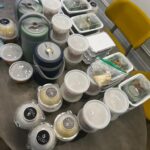
- Fresh Delivery and Storage Instructions : Daily freshness, delivery time, heating methods, and refrigeration guidelines all affect food safety and practical convenience.
- Professional support available : Is there a clear channel to provide appropriate advice when a mother has a poor appetite, bloating, difficulty lactating, or questions about medicinal herbs?
For dual-income families living in Wan Kam, home delivery is more than just cooking one less meal; it means that family members don't have to worry about whether to make a long-simmered soup or whether the herbs are added at the right time after taking care of the baby in the early hours of the morning. A truly reliable arrangement should take into account nutrition, food safety, delivery schedule, and the mother's physical response.
Not every traditional soup is suitable for postpartum women after a C-section.
Ginger vinegar, sesame oil chicken, fermented rice wine, and warming medicinal herbs each have their place in Hong Kong's postpartum care culture, but the timing and amount should vary from person to person. In particular, if wounds are still healing, you are taking painkillers or antibiotics, your blood pressure or blood sugar needs to be monitored, or you are experiencing breast tenderness or discomfort, do not consume large quantities simply because elders say it "replenishes quickly."
Similarly, overemphasizing "dispelling wind" by making the soup too concentrated can worsen a mother's discomfort if she already has a dry mouth, constipation, or poor appetite. Postpartum care emphasizes moderation, not forcing it. A mother's improved mental state, normal appetite, smooth bowel movements, and feeling warm and comfortable after drinking the soup are often more valuable indicators than the depth of the soup's color or the expensiveness of the herbs.
Arrange care when Mom needs it most.
When ordering postpartum meals, prepare a few pieces of information beforehand: due date or surgery date, any dietary restrictions prescribed by your doctor, any known allergies, whether delivery is needed at home, and whether family members can help with receiving and heating the meals. These details will make the meal arrangements more realistic and reduce the chaos of the first week postpartum.
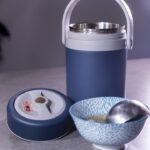
MoonyMama Soup provides Hong Kong-style postpartum meals and nourishing stews for new mothers in the Toronto area, emphasizing daily fresh preparation, hormone-free meats, and home-style flavors with less oil, salt, and sugar. For mothers who have had a C-section, suitable soups should not just be a bowl of nourishing food delivered to their door, but rather a part of daily care that complements their recovery process.
When family members ask Mom what she wants to drink today, they might as well ask, "Do you feel any better after drinking it?" The body's response to being listened to is the most practical way to choose the right soup for the next meal.
#MoonyMamaSoup #MoonyMama #Markham #RichmondHill #Scarborough #NorthYork #Vaughan #C-sectionPostpartumMeals #PostpartumSoup #HongKongStylePostpartumMeals #PostpartumCare #PostpartumMoms