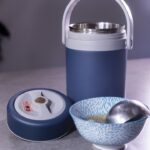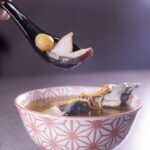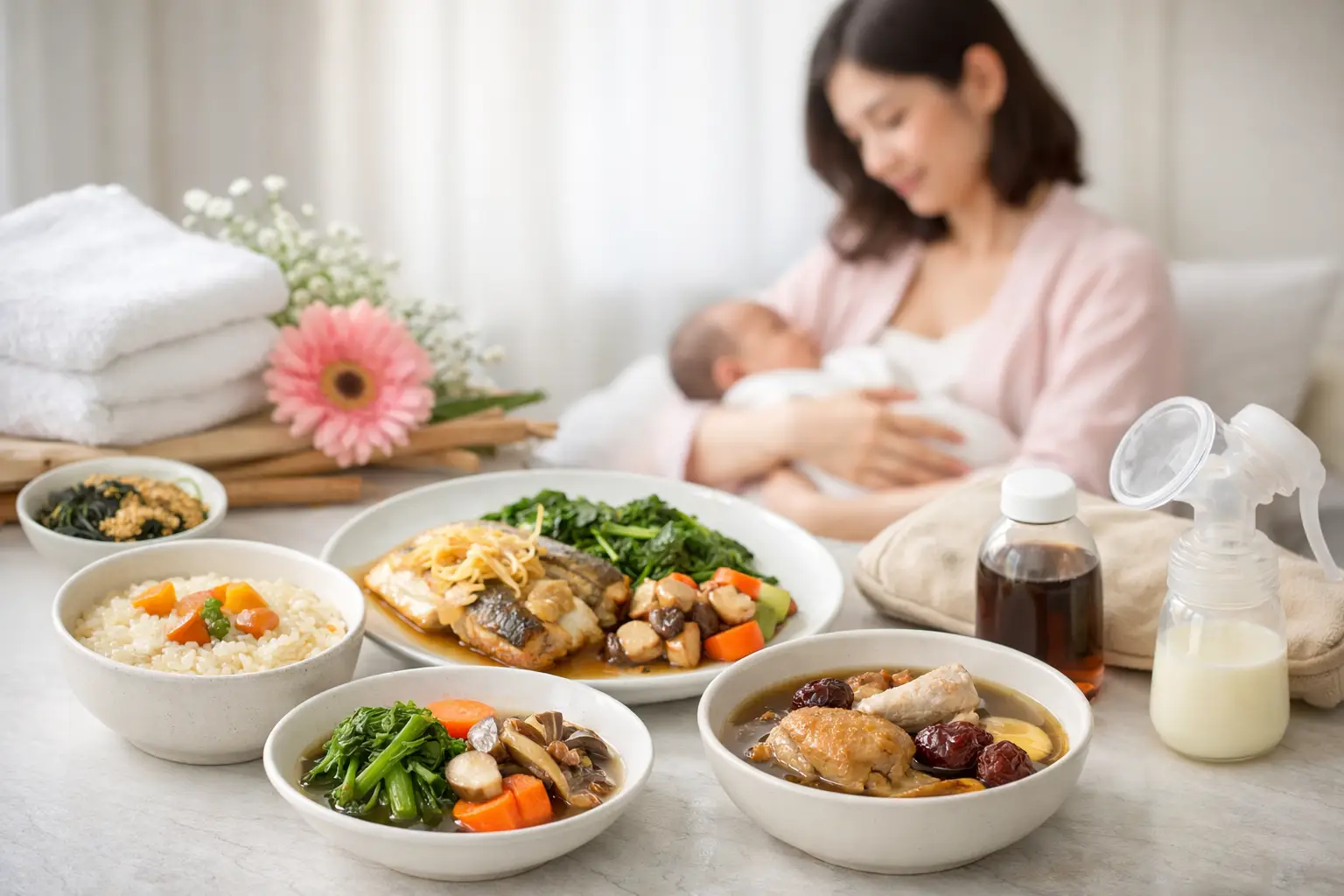
The key to how to eat a caesarean birth meal is never to serve soup, ginger vinegar, and sesame chicken on the first day. After surgery, the body also faces the regression of anesthesia, the recovery of gastrointestinal peristalsis, wound healing, post-loss maintenance, and the lack of sleep caused by caring for the baby. What Confinement's mother needs most at this time is to eat according to her physical progress, rather than following a set of fixed menus.
In principle, the monthly meal after caesarean section is more focused on "first to make up, first to clean and then to nourish" than the normal delivery. Especially just before the production has not been exhausted, the stomach has not fully recovered, eating too much oil, too sweet, too thick or rush to supplement, but may be bloated, poor appetite, or even make the body more uncomfortable. Meals that are really suitable for cesarean delivery mothers should be adjusted according to the recovery stage, the cooking method and the degree of nourishment, and should also be in line with hospital orders and personal wounds, blood pressure, blood sugar and lactation conditions.
Why can't I rush to cesarean delivery?
Caesarean section is an abdominal procedure. In addition to the uterus need to contract and recover, the abdominal wall and subcutaneous tissue wounds also need time to heal. In the first few days after childbirth, the body may not be able to withstand heavy, greasy supplements. If constipation occurs due to painkillers, low activity, or slow gastrointestinal peristalsis, excessive tonification may not bring strength, but rather aggravate abdominal distention and pain.
The Chinese style of sitting on the moon focuses on qi and blood conditioning, but "supplementing" does not mean that the thicker the better. At the beginning, the gastrointestinal tract should be allowed to function smoothly, excrete malicious dew, replenish moisture, and easily absorb nutrients; in the middle and late stages, the ingredients for invigorating qi and nourishing blood, caring for the waist and knees, and supporting lactation should be gradually increased. The value of the monthly meal is to save the mother's judgment and preparation every day, so that each meal is closer to the needs of the moment.
How do I eat a cesarean delivery meal? Let's start with four body signals.
Instead of just replenishing by "day", it is better to pay attention to four signals every day: whether there is exhaust and defecation, whether the appetite is normal, whether there is obvious pain or exudation in the wound, and whether there is abnormal dew volume and color. These conditions can have a direct impact on meal schedules.
When you have not exhausted or have a poor appetite, it is best to use warmth, soft body, little oil, and a small amount of plenty of meals, such as lean porridge, fish soup noodles, steamed eggs, lean meat, and soft rice with tender vegetables. The proportion of fish, chicken, eggs, tofu, and soup has gradually increased after eating normally and defecating steadily. In case of sudden increase in wound pain, fever, bad odor, significant increase in bleeding, or persistent vomiting and bloating, medical personnel should be contacted first and not treated with diet therapy.
Week 1: Take care of your stomach, hydrate, and stabilize your body first
Meals should be gentle but not too thin in the first week after a caesarean section. Protein is an important nutrient for wound repair, but it does not mean that every meal should be a big fish. Steamed fish, peeled chicken, lean pork, eggs, tofu, and other easily digestible sources are available, along with ripe vegetables, root stems, and soft rice to help replenish energy.
The soup also depends on the timing. Before exhausting, light soup and small warm drinks can be used first to avoid bloating caused by a large amount of drinking. After exhausting, you can gradually add fish soup, lean soup, or mild herbal soup, but you should avoid soups that are too salty and slicky. The weather in Canada is dry and cold, and it is easy for Confinement's mother to just drink soup and forget to eat dinner; in fact, the soup is combined with enough staple foods and protein to have real confidence in recovery.
Week 2: Enriching and nourishing, still avoiding over-drying
In the second week, if the wound recovers steadily, there is less malignant dew, and the appetite and defecation are normal, the meal can be changed from light repair to gentle nourishment. Lean meats, chicken, fish, eggs, black fungus, red dates, red beans, and dark green vegetables flow into the cubes in turn, providing protein and iron, while keeping flavors from repeating every day.
Many families will ask if they can immediately
Weeks 3-4: nourishing qi and blood, caring for waist strength, and caring for lactation needs
When the amount of activity slowly increases and the nighttime feeding becomes frequent, the mother often feels "clearly eaten, still very tired". At this time, you can add stewed soup, black beans, walnuts, sesame seeds, Huai Shan, berries and other ingredients to the balanced meal to help replenish calories and nutrients. If you want
Some mothers do not increase the amount of milk after drinking the soup, but they have obvious edema or poor appetite, so they do not have to reluctantly chase the soup. Lactation is heavily influenced by hormones, the baby's breast-feeding position, the frequency of milk excretion, and stress. Meals can be used as a backing, but if you have pain in your breasts, broken nipples, persistently inadequate milk volume, or have doubts about your baby's weight gain, it is advisable to seek breast control or medical advice early on.
Wound repair meals, the easiest to ignore are protein and fiber
Traditionally, people often focus on soup and medicinal materials, but caesarean section wounds should be repaired well, and the protein, vitamin C, zinc, and dietary fiber in daily plates can not be reduced. Each meal has fish, meat, eggs, soy products, cooked vegetables, and a moderate amount of rice, noodles, or potatoes, which is more practical than just drinking a few bowls of soup.
Constipation is a common problem after a C-section. Fear of painful wounds without force, painkillers affecting the intestines, and insufficient drinking water can make it difficult to defecate. Oats, cooked sweet potatoes, papaya, pears, black fungus, cooked vegetables and warm water can be added at this time, and slowly get out of bed and walk around with the permission of medical care. If you haven't had a bowel movement, severe abdominal pain, or a fissured anus for several days, ask your healthcare provider first, not just thick ginger soup or prescriptions.
These foods are not absolutely not to be eaten, but to be adjusted.
Caesarean sections often have a lot of dietary restrictions, such as not eating fruit, not drinking water, and not eating vegetables. In fact, in modern postnatal care, the focus is on fresh ingredients, thorough cooking, moderate temperature and mother's reaction after eating, rather than excluding all foods. Fruits can be eaten at room temperature or slightly heated, avoiding cold food that has just been removed from the fridge; vegetables should be cooked to avoid gastrointestinal discomfort caused by raw cold salads.
Likewise, not every mom is good for lots of wine, rice wine, or alcohol supplements. During lactation, alcohol may enter breast milk, and alcohol residues from different formulations are difficult to judge by taste alone. If you are taking painkillers, antibiotics, or other prescription medications, ask your doctor or pharmacist first. Sitting peacefully for months is not to endure discomfort, but to know when to deal with it conservatively.
Let your family know these three things when they plan their monthly meal
The most practical way to prepare meals for a C-section mother is to first confirm the date of discharge, whether there are food allergies or chronic diseases, and whether there is a need to balance breastfeeding and care for Dabao at home. If the meal can be delivered on a daily basis and replenished in stages, mothers will not have to worry about buying and cooking in tiredness, and family members will clearly know that hot food and soup can be arranged every day.
in Toronto and the Toronto area,
Confinement is not a competition. You don't have to urge yourself to keep up because someone else has already drunk soup and eaten ginger vinegar on the third day. Putting the body's signals before traditional habits, eating, draining, and sleeping, and the wounds are comfortable day by day, this is the most solid direction of nourishment after cesarean section.
#Cesarean section #After delivery #Hong Kong style confinement meal #Toronto confinement meals #Markham #Richmond Hill #Scarborough #North York #Newmarket #Postpartum recovery #Breast support