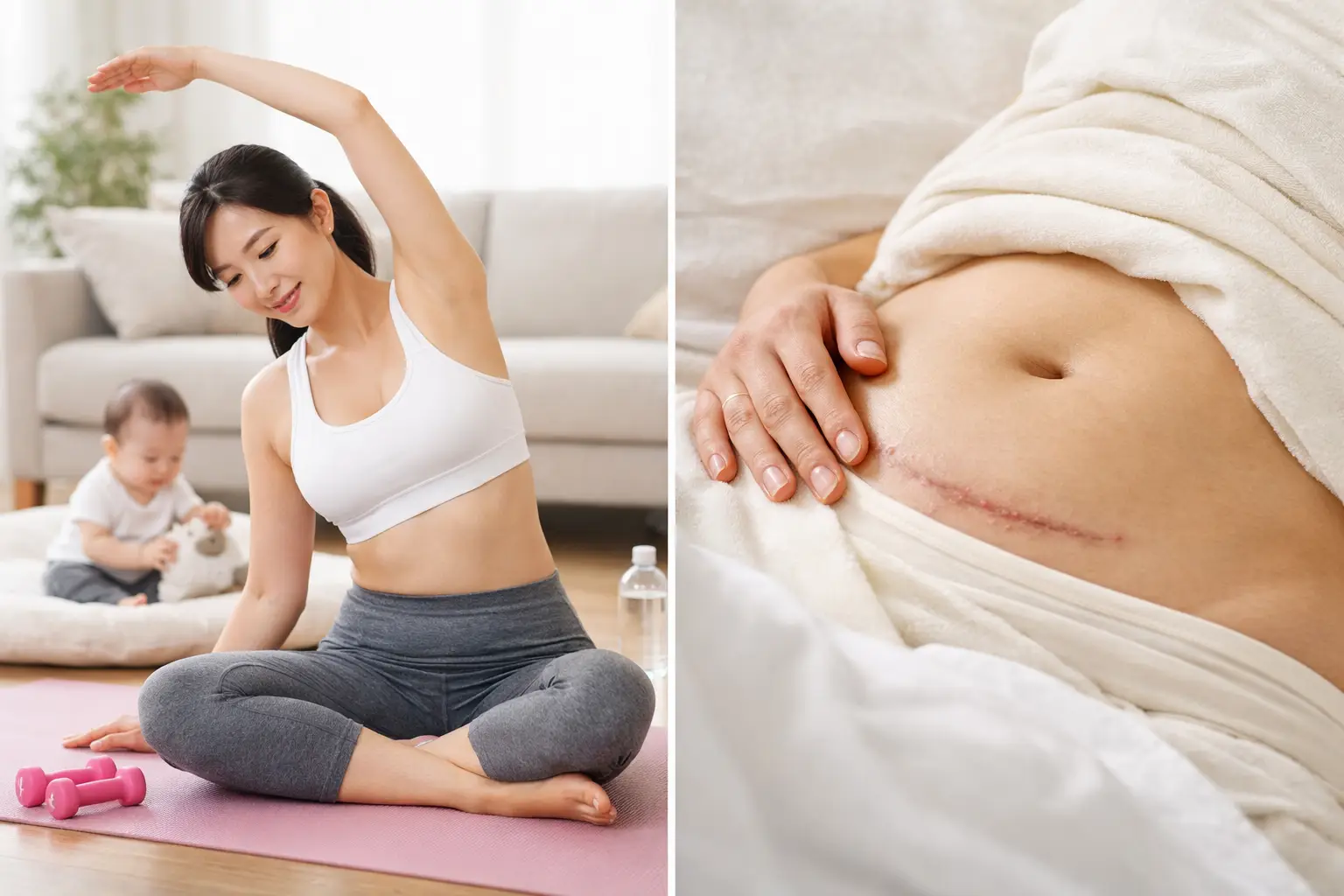
After a baby is born, many new mothers, when looking in the mirror, often notice their still-protruding belly, their loosened waist and hips, or pants they can no longer fit into. However, postpartum recovery is never just about "getting back to pre-pregnancy weight." After going through pregnancy, childbirth, blood loss, lack of sleep, and the high-intensity daily routine of caring for an infant, what truly deserves priority is the recovery of physical strength, wounds, pelvic floor, core muscles, and emotional well-being.
If you diet too early or exercise excessively, your weight may drop in the short term, but it could worsen fatigue, affect lactation, and even increase the chances of lower back pain, urinary incontinence, and wound discomfort. The ideal approach is to gradually stabilize your figure through a safe recovery rhythm, using phased conditioning, sufficient nutrition, and appropriate activity.
To get back in shape after childbirth, first determine which stage of recovery your body is in.
Every mother's delivery method, bleeding volume, sleep patterns, feeding schedule, and postpartum support are different, so recovery time cannot be generalized. Mothers who have given birth vaginally can usually start gentle walking and breathing exercises earlier if they do not have severe tearing or complications; mothers who have had a cesarean section need to pay more attention to the abdominal incision, the degree of pain, and the doctor's follow-up advice, and should not do crunches, planks, or high-impact exercises too early in order to tighten their abdomen.
Generally, the focus in the first few weeks postpartum is not on weight loss, but on rest, lochia discharge, wound care, establishing a breastfeeding rhythm, and replenishing lost energy. Once lochia has decreased, you no longer experience significant fatigue after activity, your wound has stabilized, and your medical staff has confirmed that exercise is suitable, you can gradually increase your activity level. If you experience increased bleeding, abdominal pain, dizziness, a pulling sensation in your wound, or a heavy, downward-sloping feeling in your pelvis after exercise, it's your body's way of telling you to slow down.
Your belly hasn't shrunk yet, it doesn't mean you're not trying hard enough.
A postpartum belly that still looks like it's several months pregnant is often not a matter of fat. The stretched abdominal muscles during pregnancy, the not-yet-fully-contracted uterus, intestinal bloating, edema, and decreased core control all affect the appearance of the abdomen. In particular, diastasis recti cannot be solved simply by doing tons of sit-ups; improper technique may actually make the diastasis recti even more pronounced.
You can first observe whether your abdomen bulges into a small hill when you turn over from lying down, hold your baby, or get up, or whether you experience persistent weakness in your lower back. These situations are worth discussing with an obstetrician, physical therapist, or qualified postpartum recovery professional. The goal of recovery is not to "flatten" your belly, but to relearn how to coordinate the diaphragm, pelvic floor, and deep abdominal muscles to provide better support when holding your baby, bending over to change diaphragms, or pushing a stroller.
First, regain core strength through breathing and posture.
In the early postpartum period, you can start with comfortable deep breathing. When inhaling, let your ribs and abdomen expand naturally. When exhaling, gently feel your lower abdomen draw in and your pelvic floor gently lift, rather than holding your breath or forcefully contracting your stomach. Doing this several times a day for just a few minutes each time is already building your core connection.
When breastfeeding while sitting, remember to use a cushion to support your baby and avoid prolonged periods of hunching over. When getting up from the bed, first turn to your side and then push yourself up with your hands to reduce pressure on your abdomen and lower back. These seemingly minor movements are closer to the strength that postpartum mothers actually use every day than occasional high-intensity exercise.
Dieting is not about dieting, but about providing the raw materials for recovery.
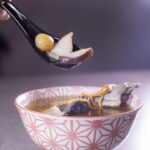
If you are breastfeeding, excessive calorie restriction is especially inappropriate. Your body needs sufficient protein, iron, calcium, fiber, water, and a stable energy source to have the strength to take care of yourself and your baby. Postpartum diet can be adjusted according to your physical condition and recovery stage, but the basic principle is to include high-quality protein, appropriate amounts of whole grains and vegetables in each meal, and replenish fluids with soups, stews, and warm meals.
Many mothers choose to eat only salads, meal replacements, or completely abstain from starches in an attempt to lose weight quickly. This approach may not be suitable for the early postpartum period, as hunger, lack of sleep, and frequent breastfeeding can easily lead to strong appetites at night, making it difficult to maintain a healthy diet. Instead of pursuing extreme diets, it's better to eat regular meals, reduce sugary drinks, fried snacks, and overly processed foods, allowing the body to have stable nutrition for repair.
Traditional Chinese postpartum care emphasizes phased replenishment, which has practical significance. Initially, the focus should be on digestion, lochia discharge, and wound healing, rather than starting with large amounts of tonics. Only later, ingredients that replenish qi and blood can be gradually added according to the mother's condition. In particular, mothers who have had a cesarean section, have not yet cleared lochia, are experiencing inflammation or discomfort, or have chronic illnesses should consult with medical professionals or registered Chinese medicine practitioners before arranging medicinal diets and ginger and vinegar dishes.
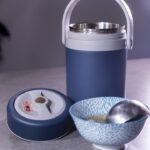
For families without family members to cook daily, arranging fresh, low-oil, low-salt, and low-sugar postpartum meals tailored to different stages can reduce the pressure of "what to eat." MoonyMama Soup provides Hong Kong-style postpartum meals and postpartum care support for Chinese families in the Toronto area, allowing mothers to incorporate dietary care into their recovery plan with greater peace of mind while staying at home.
Start with low-impact exercises and don't compare yourself to online challenges.
When your physical condition permits, walking is a great starting point. Begin by walking around the house slowly, pushing the stroller on flat surfaces, and observe your energy levels, lochia, and pain response the following day. Gradually increase the duration. Later, you can add gentle stretching, pelvic floor exercises, gluteal muscle strengthening, and deep core training. Each session doesn't need to be long; the key is to maintain a steady pace rather than pushing yourself to exhaustion.
For some mothers, running, rope skipping, jumping exercises, and high-intensity interval training can be safely resumed later in life, depending on their pelvic floor strength, rectus abdominis control, wound condition, and existing exercise foundation. If there is urinary incontinence, pelvic pain during running or jumping, a feeling of heaviness, or lower back pain, the symptoms should be treated first, and one should not try to "just bear it" to cope.
Traditional abdominal binding is a postpartum recovery method that some mothers may consider. Proper support can remind them of posture, provide a feeling of coverage for the abdomen, and make some mothers feel secure during activity; however, it is not a fat-loss tool and cannot replace core and pelvic floor training. Binding it too tightly or using it when the wound is not yet stable may cause breathing difficulties, stomach discomfort, or pressure on the wound, so it must be handled according to individual circumstances.
When you're sleep-deprived, your fitness goals should be gentler.
Postpartum hormonal changes, nighttime breastfeeding, and caregiving anxiety can all affect appetite, metabolism, and mood. It's common to experience sleep deprivation, cravings for sweets, or a lack of motivation to exercise for several nights in a row; these are normal physical reactions and don't necessarily indicate a lack of willpower. A more practical approach during this time is to have your partner or family share the responsibilities of meal preparation, dishwashing, babysitting, or grocery shopping, giving you a chance to catch up on sleep and enjoy a proper meal.
If you experience prolonged periods of low mood, an inability to enjoy anything, excessive anxiety, difficulty sleeping, or thoughts of harming yourself or your baby, contact your doctor, midwife, or emergency support services immediately. Taking care of your mental health is not an extra task, but an integral part of postpartum recovery.
A practical goal for new mothers during their postpartum period
Don't judge your recovery based on your weight. Try changing your goals to: eating a warm, balanced meal, drinking enough water, taking a ten-minute walk, practicing proper breathing a few times, or resting for half an hour while your baby is asleep. These small steps may seem insignificant, but they are precisely the process by which your body rebuilds its strength.
There is no fixed deadline for postpartum recovery. When you prioritize safety, nutrition, and continued self-care, your body will gradually change at its own pace, and you will have more energy to enjoy every day of growing up with your baby.
#MoonyMamaSoup #PostpartumBodySlimming #ConfinementTreatment #PostpartumMeals #PostpartumRecovery #C-SectionRecovery #VaginalBirthRecovery #PelvicFloorRepair #RectusAbdominalMuscleDifference #TorontoConfinementMeals #Wanjin #RichmondHill #Scarborough #NorthYork #Vaughan