After a baby is born, many mothers are not faced with "what supplements to take," but rather with lingering wound pain, fragmented sleep at night, breastfeeding, dealing with visitors and housework, and worrying about whether they are doing enough. Truly effective postpartum care for mothers doesn't involve imposing a set of rules on everyone, but rather arranging a sustainable rhythm that balances physical recovery, nutritional supplementation, breastfeeding needs, and family realities.
For Chinese families living in Canada, elders may not be around, and grocery shopping, cooking, and baby care often fall on the shoulders of the couple. The most precious arrangement during the postpartum period is to reduce one thing that the mother has to do herself and give her more time to rest and recover.
Postpartum care isn't about consuming all the supplements; it's about providing care according to the recovery stages.
Your body changes every day after childbirth. Whether you have a vaginal delivery or a cesarean section, you will experience lochia discharge, uterine contractions, decreased physical strength, and wound healing in the early stages. If you are breastfeeding, you will also face breast engorgement, changes in breastfeeding posture, and milk supply. This is why postpartum meals should not only be judged by whether they are "enough to nourish" you, but also by whether the ingredients, cooking methods, and timing of supplementation are appropriate.
In the first few days after childbirth, the diet should focus on mild, easily digestible foods that replenish fluids and protein. At this time, consuming large amounts of alcohol, strong medicinal herbs, or greasy tonics too early may cause some mothers to experience dry mouth, poor appetite, or even digestive discomfort. Once lochia and the body's condition have stabilized, ginger, sesame oil, herbal soups, or more nourishing stews can be gradually added according to individual needs.
Mothers who have had a cesarean section especially need patience. Wound healing, gas expulsion, gastrointestinal motility, and mobility all affect appetite and meal planning. There's no need to force yourself to eat too much during postpartum recovery. If you have anemia, gestational diabetes, thyroid problems, food allergies, or are currently taking medication, you should first explain your situation to your doctor or a registered Chinese medicine practitioner before adjusting your diet.
Postpartum meals should show noticeable differences every day.
A suitable meal should provide mothers with enough protein, vegetables, staple foods, and soup even when they are busy, rather than just a bowl of thick soup. Eggs, fish, chicken, lean meat, beans, and dark green vegetables can be rotated according to mothers' appetites and digestive conditions; cooking with less oil, salt, and sugar is also easier to eat every day without feeling burdened.
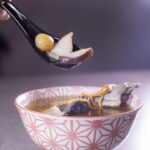
The value of Hong Kong-style postpartum meals lies in incorporating home-style flavors and culinary concepts into daily meals: the early stages emphasize gentleness and recovery, the middle stages focus on replenishing qi and blood, and the later stages are tailored to individual needs such as strength, lactation, and postpartum recovery. Fresh ingredients, clearly sourced meats, and hygienic handling are more worthy of family care than simply relying on expensive ingredients.
Rest doesn't mean lying in bed all day; it means saving your energy for recovery.
Newborns don't follow adult sleep schedules, making it difficult for mothers to get a full night's sleep. Therefore, instead of aiming for "eight hours of sleep," it's better to focus on maximizing restful moments. While the baby is sleeping, the mother may not be able to fall asleep every time, but she can lie down with her eyes closed, apply a warm compress, slowly drink some soup, or postpone replying to unnecessary messages until later.
Moderate activity is equally important. Once healthcare professionals confirm that the situation is clear, short periods of walking around at home and doing gentle stretching can help with circulation and bowel movements; however, if dizziness, worsening abdominal pain, or wound discomfort occur after activity, you should stop and rest. The traditional saying "avoiding drafts" can be understood as not letting the body be exposed to cold for extended periods or getting chilled after sweating, rather than completely avoiding opening windows, showering, or exposure to fresh air.
Bathing and personal hygiene should prioritize comfort and safety. Postpartum women tend to sweat more, so keeping the body clean, wearing breathable clothing, and following medical instructions to care for wounds can reduce discomfort. Traditional items such as mugwort and ginger bath sachets and roasted rice tea can be part of warm care, but they cannot replace wound observation and medical advice.
Breastfeeding care should begin with ensuring that "the mother is eating, drinking, and resting well."
Many new mothers rush to drink large amounts of lactation-boosting soups and drinks as soon as they hear about fluctuations in their milk supply. However, lactation is affected by many factors, including the frequency of the baby's effective sucking or expression, the latching method, the mother's water and calorie intake, stress, and sleep. While soups and drinks can be a daily supplement, more concentrated or more abundant soups and drinks do not necessarily mean better results.
When experiencing breast engorgement , nipple damage, difficulty latching on, or a sudden decrease in milk supply, identifying the underlying cause is often more important than blindly supplementing the diet. A professional can assist in reviewing breastfeeding posture and milk expression methods. If fever, localized redness, swelling, heat, pain, chills, or significant discomfort occurs, contact a doctor or qualified lactation support professional as soon as possible to avoid delays in treatment.
Family members can also do practical things: prepare warm water and snacks for mom before breastfeeding, and help her burp, change diapers, and clean the breast pump parts after feeding, giving her time to eat a full meal. These small things are often more helpful than saying "you need to rest more".
Only when family members take over the logistical support can mothers truly focus on postpartum recovery.
Postpartum care should not become a project that the mother completes alone. Family members can assign the most time-consuming tasks in a fixed schedule, including laundry, sterilizing baby bottles, replenishing food supplies, handling garbage, receiving visitors, and recording the mother's follow-up appointments. If relatives or friends want to visit, it is best to ask the mother about her mood and wishes on the day of the visit beforehand, and not turn the visit into a task that she must perform.
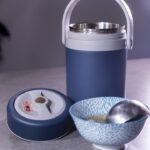
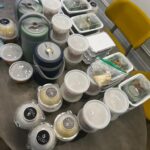
For dual-income families or families without support from elders, ordering phased postpartum meals is a practical arrangement. Daily, timely delivery reduces time spent on shopping, washing, and cleaning, while also making it easier for mothers to eat regularly. MoonyMama Soup provides daily fresh-made and delivered meals to many parts of the Greater Toronto Area, offering Hong Kong-style postpartum meals categorized by vaginal delivery, cesarean section, and different recovery stages. This allows families in Markham, Richmond Hill, Scarborough, North York, and Vaughan to focus their energy on the mother and baby.
However, not everyone needs to order takeout meals for the entire month. If someone in the family can consistently cook, consider using soup packets, stews, or meals for certain days. If you are particularly tired in the early postpartum period and your partner returns to work quickly, you can make the first two to three weeks more comprehensive. The selection criterion is not how many days others spent in postpartum confinement, but whether this plan can truly reduce the mother's fatigue.
These conditions should not be treated solely with diet or rest.
Traditional remedies can support recovery, but they cannot replace postpartum checkups and necessary medical care. If you experience a sudden increase in lochia or an unusual odor, persistent fever, severe headache, chest pain, difficulty breathing, swelling and pain in one calf, wound oozing and redness, or prolonged low mood and anxiety preventing you from resting, seek medical attention immediately. If you have thoughts of harming yourself or your baby, contact emergency medical services or a trusted person immediately; do not try to cope alone.
The postpartum period doesn't need to be perfect. Being able to eat only one bowl of rice or sleep only two hours today doesn't mean you're doing a bad job. Being willing to ask family members for help and adjusting your meals and rest according to your body's needs is the beginning of taking care of yourself. Give yourself more time; your body will slowly regain its strength as it is properly nourished, properly rested, and gently understood.
#MoonyMamaSoup #PostpartumCare #PostpartumMeals #PostpartumRecovery #HongKongStylePostpartumMeals #LactationPromoting #IncreasingBreastSize #TraditionalAbdominalBinding #Toronto #Wanjin #RichmondHill #Scarborough #NorthYork #Vaughan #Aurora #Newmarket #Stouffville #EastGwillimbury