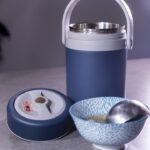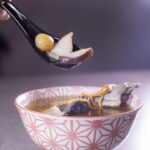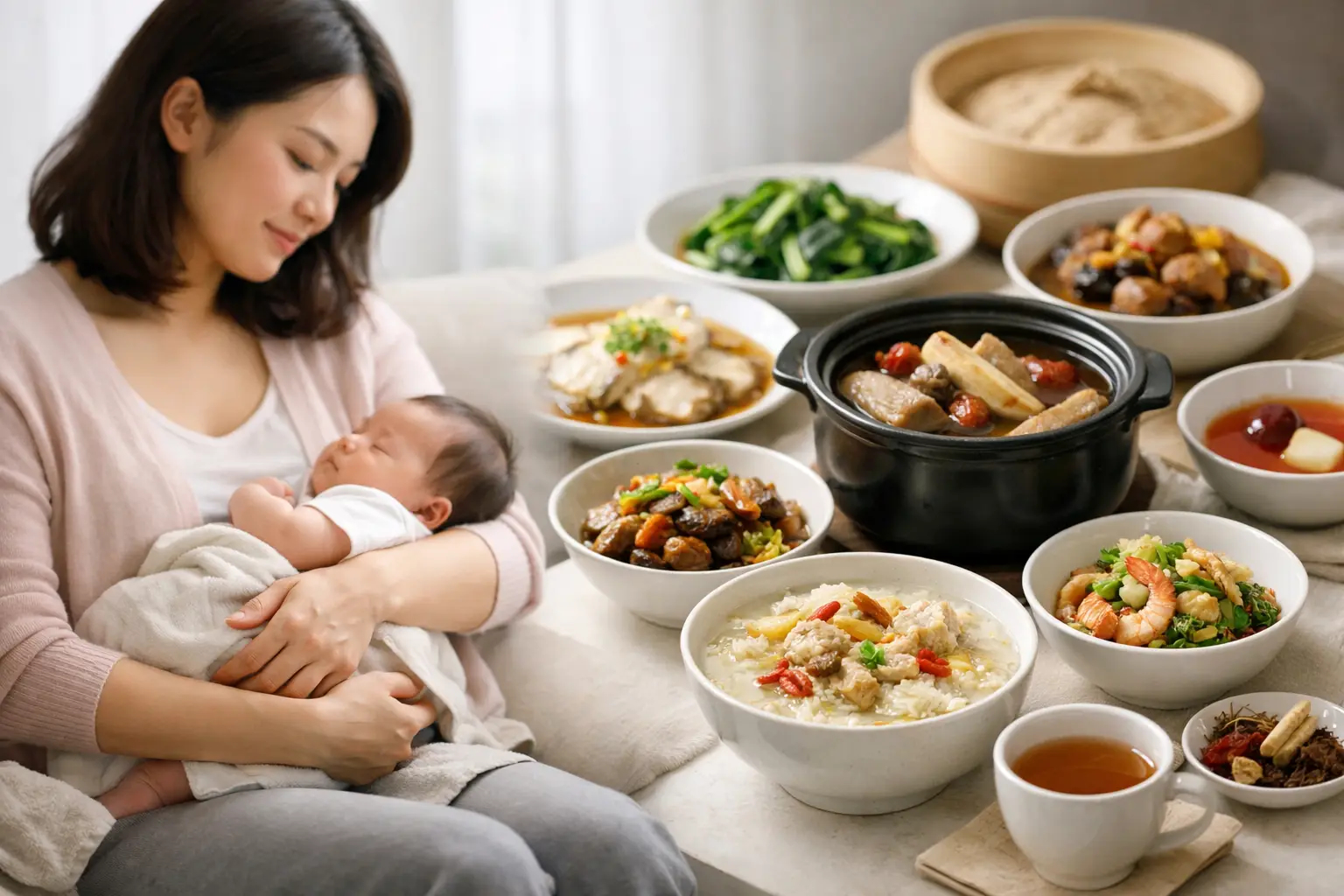
In the first week after a baby's birth, many mothers face a much more complex situation than simply "what to eat to replenish their energy." The rhythm of wound care, sleep, breastfeeding, emotional stress, and infant care all come at once. Even if family members want to help, they may not have the time to prepare the food, soups, and meals every day. Therefore, when searching for recommendations for Hong Kong-style postpartum meals, what's truly worth comparing isn't the number of dishes, but whether the meal plan can meet the mother's different recovery needs each day.
For Chinese families living in Canada, confinement meals also provide a familiar sense of stability. A bowl of ginger-flavored soup and a hot home-cooked dish not only fills the stomach, but also allows confinement mothers to feel that someone is taking good care of them in the days when they lack the company of their elders.
When choosing Hong Kong-style postpartum meals, you should first look at the "stage" of the process, not just the menu.
Postpartum care should not be considered the same as the first day and the third week. Traditional confinement emphasizes a gradual approach. When choosing meals, modern families should also confirm whether the supplier understands the differences in recovery between vaginal delivery and cesarean section, and whether they can arrange ingredients and cooking methods according to the stages.
In the early postpartum period, mild and easy-to-eat foods should be prioritized.
Immediately after childbirth, a mother's appetite, bowel movements, and physical responses may not be stable. At this time, meals should be warm, low in oil, salt, and sugar, allowing the body to have enough energy to rest and recover. For mothers who have had a cesarean section , it is especially important to prioritize wound healing, gastrointestinal adaptation, and the dietary recommendations of medical staff; it is not advisable to consume overly rich or highly nourishing foods at the beginning.
A good postpartum meal plan will retain flexibility. For example, if the mother still feels nauseous, has a small appetite, or has been advised by her doctor to avoid certain foods, the meal plan should be communicated as early as possible. The so-called "nourishment" is never about the more concentrated the better, but about providing the body with the right support at the right time.
The middle section emphasizes the needs of blood circulation, physical strength, and lactation.
As the body gradually adapts, meals can be supplemented with more complex soups, stews, and protein sources, depending on individual needs. Mothers who are breastfeeding or pumping often worry about milk supply, but meals are only one part of lactation support. Regular meals, adequate hydration, effective milk transfer , sufficient rest, and correct breastfeeding posture are equally important.
If you experience breast redness, swelling, pain, fever, persistent milk supply problems, or infant weight issues, seek assistance from a doctor, registered lactation consultant, or other qualified healthcare professional as soon as possible. Postpartum meals can be part of daily care, but they should not replace professional diagnosis.
The latter part discusses consolidation and restoring the daily rhythm.
In the later postpartum period, most mothers begin to focus on their mental and physical well-being and regaining their pre-pregnancy figure. At this time, it's still not recommended to rush into dieting or using extreme methods to lose weight, especially for breastfeeding mothers. Consistently eating enough regular meals, choosing high-quality protein and vegetables, and engaging in activities that your body allows are usually more sustainable than suddenly reducing food intake.
If your family has a tradition of using Traditional Chinese Medicine (TCM) for conditioning, you can explain your delivery method, sleep patterns, lochia, digestive issues, and breastfeeding situation to a registered TCM practitioner to determine if personalized soup packs or conditioning programs are suitable. Every mother's constitution is different, and what is "must-eat" for others may not be the most suitable choice for you at this moment.
When choosing Hong Kong-style postpartum meals, four practical details are more important than the advertising.
First, there's the source of the ingredients and kitchen hygiene. Postpartum mothers need safe food to eat. They should pay attention to whether the meat's origin is clearly labeled, whether the kitchen has the necessary food processing qualifications, and how the meals are kept warm, refrigerated, and delivered. Claims of hormone-free meat, MSG-free, and low-oil, low-salt, and low-sugar dishes should be backed by consistent production standards, not just empty slogans.
Secondly, freshness and delivery time are crucial. The biggest concern with postpartum meals is that they might arrive cold or disrupt the mother's eating rhythm due to unreliable delivery arrangements. Asking if the meals are freshly prepared every morning, if delivery times are clearly defined, and what happens if no one is home to receive them can prevent additional postpartum worries. For dual-income families, reliable delivery is often more valuable than fancy menus.
Thirdly, it's important to consider whether dietary restrictions and individual needs can be accommodated. Mothers may have food allergies, religious dietary requirements, dietary concerns after a C-section, or dislike the taste of certain herbs. It's better to clarify these needs before ordering and confirm whether adjustments are possible than forcing the mother to eat after receiving the meal.
Fourthly, there's support beyond meals. True postpartum care goes beyond just three meals a day. Fried rice tea, ginger and mugwort bath packs, Hong Kong-style ginger vinegar, herbal soup packets, and nourishing stews can be provided by the family according to their needs. Guidance on lactation support and milk production, traditional abdominal binding, and online consultations with traditional Chinese medicine practitioners allow mothers to receive more comprehensive care at different stages of recovery. Whether these services are needed depends on individual circumstances and budget; there's no need to force yourself to include everything at once.
Why is Hong Kong-style cuisine so important for postpartum mothers?
Food during the postpartum period needs to be nutritious, but that doesn't mean it has to be bitter medicinal soup every day. For many Hong Kong families, familiar steaming, stewing, simmering, and ginger and vinegar flavors can both cater to different tastes and make it easier for mothers with unstable appetites to eat properly. Meals that are too Western or too bland are not necessarily unhealthy, but they may be difficult for mothers to keep eating.
However, embracing Hong Kong cuisine doesn't mean every meal is heavy on ginger, alcohol, or tonics. Postpartum conditions, breastfeeding arrangements, and individual tolerance vary, so moderation and phased approaches are key. A menu that stays true to tradition while adapting to modern nutritional and food safety principles is more suitable for the Canadian lifestyle.
Before making a reservation, arrange these three things for your family.
First, determine how many days of care are needed. Some people want to focus on the busiest two weeks postpartum, while others want a full 30 days. If the budget is limited, prioritize fresh meals for the initial period when rest is most needed, and then continue with herbal soup packs that can be cooked at home for the later stages of recovery.
Secondly, decide on the meal collection method in advance. Ask family members to help collect the meals, set a place for them, or arrange for a contactable backup recipient. This can reduce the stress on the mother when she needs to answer the door while breastfeeding or resting. Finally, prepare a simple note list, including allergies, dietary restrictions, delivery method, and due date or delivery date, to make meal planning more accurate.
In Markham, Richmond Hill, Scarborough, North York, Vaughan, Aurora, Newmarket, Stouffville, and East Gwillimbury, postpartum families often find it difficult to prepare meals daily due to travel time, weather, and family members working. The significance of home delivery lies not only in convenience, but also in transforming the time-consuming shopping and cooking process into time that mothers can truly rest.
MoonyMama Soup, drawing on the experience of Hong Kong's senior confinement nannies and its phased recovery approach, provides daily fresh postpartum meals and care support to families across the Greater Toronto Area. Whether the mother books the services herself or her partner, parents, or relatives prepare the gifts, the most important thing is to communicate the birth plan and actual needs early on, ensuring that care is available when it is most needed.
The first month postpartum doesn't need to be perfect. As long as hot meals, soups, and some time to be cared for arrive on time, mothers can devote more energy to rest, recovery, and getting to know their little baby.
#MoonyMamaSoup #RecommendedHongKongStylePostpartumMeals #TorontoPostpartumMeals #WanKamPostpartumMeals #RichmondHillPostpartumMeals #ScarboroughPostpartumMeals #NorthYorkPostpartumMeals #VaughanPostpartumMeals #PostpartumCare #CesareanSelfCare #VaginalDelivery #DailyFreshDelivery